Learning Outcomes
i. Understand the structure and function of DNA.
ii. Describe how genes control the inheritance of traits.
iii. Explain the relationship between genes and proteins in determining individual characteristics.
iv. Learn the basic principles of how traits are inherited through generations.
i. The Structure and Function of DNA
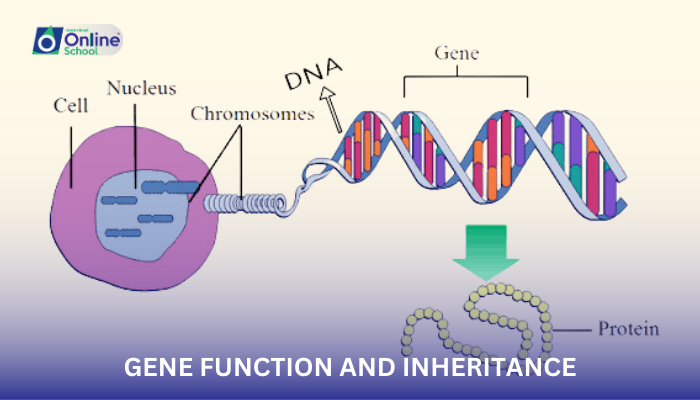
DNA, or deoxyribonucleic acid, is the hereditary material in humans and almost all other organisms. It is composed of two strands that coil around each other to form a double helix. Each strand is made up of a sugar-phosphate backbone and nucleotides containing the bases adenine (A), thymine (T), cytosine (C), and guanine (G). The order of these bases forms the genetic instructions that are unique to every individual.
ii. Genes and the Control of Trait Inheritance
Genes are specific segments of DNA that carry the instructions for making proteins, which in turn play a critical role in determining traits. Each gene has a unique sequence of bases that encodes the information to build and operate a cell. The expression of genes—through a process involving transcription and translation—results in the synthesis of proteins that can influence individual characteristics like eye color, height, and susceptibility to certain diseases.
iii. Genes, Proteins, and Traits
The relationship between genes and proteins is integral to the function of every cell and the manifestation of traits. During gene expression, a gene's DNA is first transcribed into messenger RNA (mRNA) which then leaves the nucleus of the cell and is translated by ribosomes in the cell's cytoplasm to produce proteins. The sequence of nucleotides in a gene determines the sequence of amino acids in a protein, which in turn determines the protein's structure and function in the body.
iv. Principles of Inheritance
Traits are passed down through generations via genes. Gregor Mendel, often referred to as the father of genetics, discovered the key principles of inheritance. He identified that traits were inherited as discrete units (genes), which come in pairs. Each parent contributes one gene of each pair, resulting in offspring that carry a mix of genes from both parents. Dominant and recessive alleles determine if a trait will be expressed or not, and these patterns of inheritance follow predictable ratios that can be calculated using Punnett squares.
Genetic inheritance also includes understanding phenomena like co-dominance and incomplete dominance, where alleles can have more nuanced interactions than simple dominance and recessiveness. Additionally, the role of multiple genes in influencing a single trait (polygenic inheritance) and the influence of environmental factors on the expression of traits (epigenetics) add layers of complexity to the inheritance patterns.
In conclusion, genes play a central role in the inheritance of traits by coding for proteins that affect the body's structure and function. Understanding DNA structure and the gene-to-protein relationship is crucial for grasping how traits are passed down and expressed in organisms.
